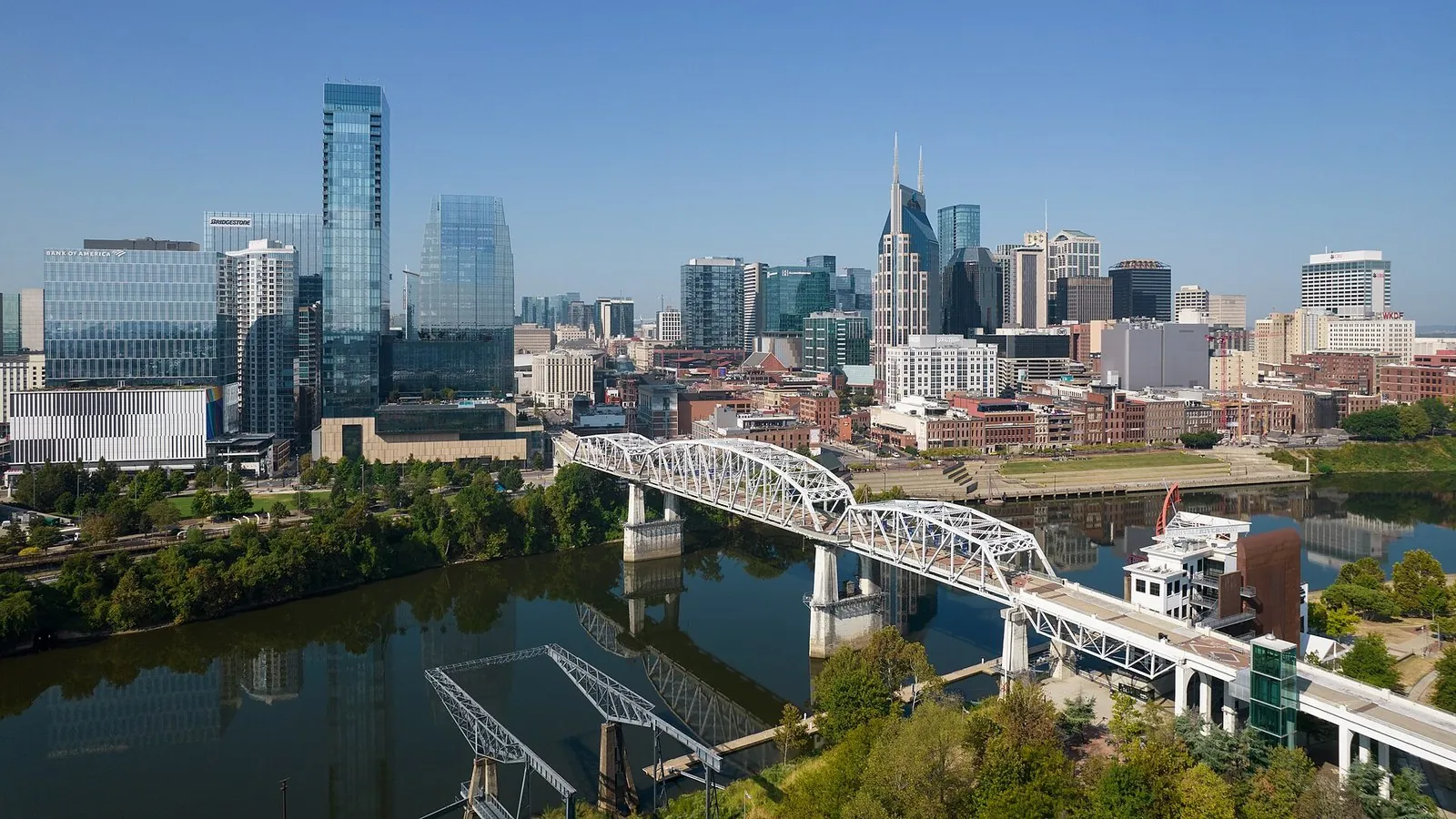
This Nashville travel guide covers what the glossy roundups skip: what a trip really costs after a 24.75% tax on cocktails and 16.75% plus $2.50 a night on hotel rooms, who to tip, when last call is (3am), where you can carry a drink, how safe downtown is, and what to do when the tornado sirens sound.
It’s written for first-time visitors and for the travelers other guides tend to forget: wheelchair users, older visitors, LGBTQ+ travelers, convention delegates and anyone landing from outside the US. One caveat matters more than the rest. Most of the costs and rules below bite hardest on Lower Broadway, the few blocks of honky tonks near the river (Broadway is a street here, not a theater district). The rest of Nashville is calmer, cheaper and a lot easier to plan.
Last updated November 20, 2026. Prices, rules and details checked November 2026.
Nashville at a Glance
Each row gets a fuller explanation further down the page.
| You want to know | The short answer |
|---|---|
| Airport to downtown | BNA is 8 miles out. WeGo’s Route 18 bus costs $2; Uber and Lyft pick up on Level 1 of Terminal Garage 2. |
| A hotel night | Davidson County rooms averaged $199.20 a night in 2025 before tax. Downtown, weekends and festival weeks cost more. |
| Taxes | 9.75% on most things, 24.75% on cocktails and wine in bars, 16.75% plus $2.50 a night on hotel rooms. |
| Cover charges on Broadway | Generally none at the honky tonks. The music is free; the drinks and the band’s tip bucket are not. |
| Last call | 3am. Liquor stores close at 11pm. |
| Drinks on the street | Open glass bottles and cans are banned in public. Finish it inside. |
| Tipping | About 20% at restaurants, $1 to $2 a drink at a bar, and cash for the band. |
| Smoking | Not inside 21-and-over bars and music venues since March 2023. |
| Weather risks | July averages a high of 90.9°F. Tornado sirens are tested at noon on the first Saturday of each month. |
| Emergencies | Call 911. Police non-emergency line: 615-862-8600. |
| Time zone | Central. Chattanooga and Knoxville, in East Tennessee, run on Eastern time. |
Nashville Travel Guide: Plan Your Trip in Six Steps
Every big decision has its own guide on this site, so this page doesn’t repeat them. Work through them in this order and the rest falls into place.
1. Pick your dates
Spring and fall are the comfortable seasons, and everyone knows it, so April, May and October fill first. July averages a high of 90.9°F at the airport, with about 18 days at 90°F or more in a typical July, while January and February are cold, quiet and cheaper. The month-by-month guide to the best time to visit Nashville has the weather and the crowd calendar, and the calendar of Nashville’s annual festivals and concerts shows the weeks, like CMA Fest in June, when downtown fills up.
2. Decide how long to stay
Two full days covers the essentials: a night on Broadway, the Ryman, the Country Music Hall of Fame and a couple of good meals. Three or four days lets you add a neighborhood, a show at a listening room and a day out of town. The ready-made Nashville itineraries lay out plans for one to five days.
3. Choose a base
Where you sleep decides your transport bill. Stay downtown or in SoBro and you can walk to Broadway; stay in the Gulch or Midtown and you’re a short ride away with better restaurants on your doorstep; stay in East Nashville for a neighborhood feel with the river between you and the noise. Where to stay in Nashville compares the areas and the hotels, and the guide to every Nashville neighborhood explains what each part of town is like, day and night.
4. Work out how you’ll get around
If you stay central, a first trip works on foot plus a few rideshares. You’ll want a car, or a bigger rideshare budget, for the Opry, the Hermitage, Belle Meade and anything outside the county. Getting around Nashville costs and times every option, from the $2 airport bus to downtown parking.
5. Fill the days
Start with the complete list of things to do in Nashville, then go deeper where your interests lie: attractions and landmarks with prices and hours, the Country Music Hall of Fame and the city’s music museums, free things to do, Nashville with kids, ranked by age, parks, lakes and trails, shopping district by district, game days with the city’s pro teams, distilleries, breweries and wineries and day trips sorted by drive time.
6. Plan the nights
For many visitors, the nights are the point. The honky tonks and bars, ranked covers Broadway and beyond, the live music venue guide covers the Ryman, the listening rooms and the clubs, and where to eat in Nashville covers dinner first. Groups should read which Nashville tours are worth booking, and if it’s a bachelorette weekend, the bachelorette party planning guide was written for you.
How Much Does a Trip to Nashville Cost?
Less than the headlines suggest if you lean on the free music, and a lot more than you planned if you don’t watch the extras. Lodging is the biggest line in almost every budget. Drinks and tips add up faster than anyone expects, and parking, resort fees and late-night rides quietly take the rest.
The tourism bureau publishes hotel figures from the research firm STR: Davidson County rooms averaged $199.20 a night in 2025, at 67% occupancy. That average blends airport-area motels with downtown towers, and Saturdays and the busiest months run above it, so treat it as a starting point for a central weekend room, not a quote. Add tax and the county-average room becomes $235.07 a night, $33.37 of percentage tax plus the flat $2.50. Three nights at that average comes to $705.21 for the room, before parking or any nightly fee the hotel adds.
Visitors spent a record $11.6 billion in Davidson County in 2025. Here’s what the common line items cost in fall 2026, from each operator’s own price page.
| Item | Price | Worth knowing |
|---|---|---|
| Average Davidson County hotel room, 2025 | $199.20 a night before tax | $235.07 once tax is added |
| Gaylord Opryland extras | $28 resort fee and $37 self-parking a night, each plus tax | Valet is $50 a night plus tax |
| Airport bus to downtown (WeGo Route 18) | $2 | Express trips take about 20 minutes |
| WeGo bus day pass | $4 | $2 for riders 65 and over |
| Country Music Hall of Fame and Museum | $31.95 adults, $21.95 ages 6 to 12 | $54.95 with the RCA Studio B tour or Hatch Show Print |
| Johnny Cash Museum | $32.95 plus tax | Open 9am to 7pm daily |
| Ryman Auditorium self-guided tour | $25 plus tax | A fall price; check ryman.com for the current price and dates |
| Grand Ole Opry Post-Show Tour | $45 including taxes and fees | Requires a show ticket for the same night |
| Hall of Fame garage, with museum validation | $15 for 3 hours, $25 for 6 hours | Handy for a daytime museum visit |
| Live music on Lower Broadway | Free at most honky tonks, no cover | You pay in drinks and tips |
Where the money really goes
The music costs nothing and everything around it costs something. The honky tonks on Lower Broadway generally charge no cover and run live music from the morning until around 3am, which makes a night there cheaper than most concert tickets. Then every cocktail picks up 24.75% in tax before the tip, and the band’s bucket comes round. A night of rounds is where a Nashville budget usually starts to slide, so decide what you’re spending before the second set, not after the fourth.
The second leak is transport at the wrong moment. A rideshare from Broadway at 2:45am, when the bars empty at once, can cost more and take longer than the same ride at 9pm. Downtown hotel valet is a nightly charge on top of the room, so ask for the figure before you book. And resort-style fees, like Gaylord Opryland’s $28 a night, aren’t always in the first price you see.
The cheap wins are real, too. A daytime walk down Broadway with a stop at two or three stages, a picnic at Centennial Park, the riverfront and the State Capitol grounds cost nothing at all. A meat-and-three (a plate of one meat and three vegetable sides, served cafeteria-style at old-school lunch counters) is one of the best-value meals in the South. Spend on the one or two things you’ll remember, a show at the Ryman or the Opry, and let the free music fill the gaps.
What Taxes Will You Pay in Nashville?
Prices in the US are shown before sales tax, which is added at the register, so the number on the menu is never the number on the receipt. Nashville’s rates surprise most visitors, and they stack.
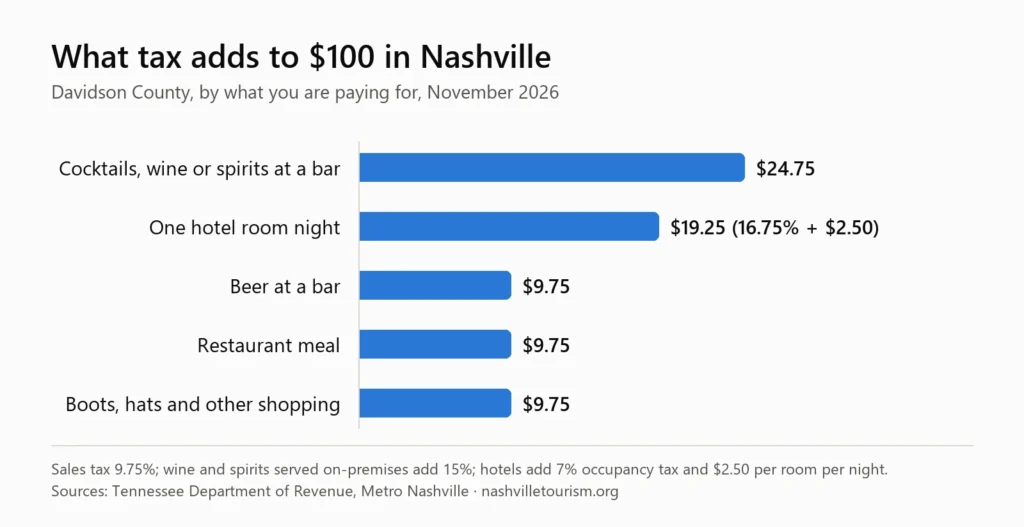
- Sales tax, 9.75%. Tennessee’s 7% state rate plus 2.75% local tax in Davidson County. The local share rose by half a point on February 1, 2025, when a transit surcharge took effect, so any guide that quotes a lower total is out of date.
- Cocktails, wine and spirits in bars and restaurants, 24.75%. Tennessee’s 15% liquor-by-the-drink tax comes on top of the 9.75% sales tax. Beer pays the sales tax only.
- Hotel rooms, 16.75% plus $2.50 a night. That’s the 9.75% sales tax plus Metro’s 7% occupancy tax, then a flat $2.50 per room per night.
- Short-term rentals. Short stays pay the same sales and occupancy percentages, and the state collects Metro’s share through registered booking platforms.
Two practical consequences. First, a $15 cocktail is really $18.71 before you tip. Second, when you compare hotels, compare the total for your dates, including any nightly fee the hotel adds itself, rather than the rate in the search results. Nashville and Davidson County share one government, Metro Nashville, so these rates hold across the county; Franklin and the rest of Williamson County, to the south, set their own hotel taxes.
Tipping in Nashville: Who, How Much and Why
Tipping in the US isn’t optional politeness; for many service workers it is the wage. Tennessee has no state minimum wage law, so the federal floor applies: $7.25 an hour, and employers can pay tipped workers as little as $2.13 an hour in cash as long as tips bring them up to $7.25. If you’re visiting from a country where service is included, assume it isn’t here unless the bill says so.
Tipping the band
On Broadway, the bucket on the stage is how the music stays free. In 2023 the Nashville Scene looked into Broadway pay and found that bands on the Tootsie’s circuit (Tootsie’s, Kid Rock’s, Rippy’s and Honky Tonk Central) earned a base of $200 to $400 for a shift, depending on the time of day and the stage, split among the members like the tips. Other Broadway venues paid $100 to $200 or more per musician for a four-hour shift, but tips there tended to be lower.
So tip the band. A few dollars in the bucket for each set you stay for is fair. If you request a song, put money in with the request; $5 to $20 is a sensible range, depending on the song and the size of your group. Bring small bills, because the bucket comes round while you’re mid-conversation and nobody wants to break a $50. Musicians remember the table that requested “Wagon Wheel” three times and tipped nothing, and so does everyone else in the room.
How much to tip everyone else
| Who | Suggested tip |
|---|---|
| Restaurant server | 18% to 22% of the pre-tax bill; 20% is the safe default |
| Bartender | $1 to $2 a beer or simple drink, more for a made cocktail, or about 20% of a tab |
| Band on Broadway | A few dollars per set; $5 to $20 with a request |
| Tour guide or party-vehicle crew | 15% to 20% of the ticket, unless a tip is already included |
| Rideshare or taxi driver | 15% to 20% |
| Hotel valet | $2 to $5 when the car comes back |
| Housekeeping | $3 to $5 a night, left daily |
| Coffee counter or takeout | Optional; the screen will ask anyway |
Read the bill before you add anything. Restaurants commonly add an automatic gratuity for large groups, and some party operators build one in: the Pontoon Saloon’s bachelorette cruise, for example, includes a 10% tip in the ticket price. Tipping twice is generous. Tipping nothing because you assumed it was included is the mistake the staff remember.
What Are Nashville’s Drinking Laws?
Nashville runs late, but the rules are stricter than the mood on Broadway suggests. Here’s what actually applies.
Last call is 3am
Tennessee bars alcohol from being sold or consumed in licensed bars and restaurants between 3am and 8am Monday through Saturday, and between 3am and 10am on Sunday, or until noon in counties that have chosen the later Sunday start. The honky tonks keep the music going until around 3am, and when they stop, the whole street empties at once. Plan your ride home before then, not during.
Liquor stores, supermarkets and Sundays
Spirits are sold only in licensed package stores, which may open from 8am to 11pm Monday through Saturday and from 10am to 11pm on Sunday, and must close on Thanksgiving, Christmas and Easter. Supermarkets sell beer and wine, and convenience stores sell beer. If you’re stocking a rental for a holiday weekend, shop the day before.
Open containers: what the law actually says
Metro Nashville’s code bans open glass, aluminum and other metal containers of alcohol in public places. The Metro Council Office has said that plastic and paper cups aren’t covered by that section, and a 2020 bill meant to close the gap was withdrawn in August 2023. That’s a quirk of one ordinance, not a license to bar-hop with a drink in hand. Police can still act on drunk or disorderly behavior, and public intoxication is a misdemeanor under Tennessee law.
There’s one newer wrinkle. A 2026 state law, Public Chapter 1138, applies only to Nashville and lets the city approve temporary special-event zones where drinks in labeled event cups can be carried inside the zone. If an event uses one, look for the zone’s boundaries and the labeled cups. Everywhere else, the simple rule holds: finish your drink before you walk out the door.
ID and the drinking age
The legal drinking age is 21, and Broadway’s doors check. Carry a physical ID: a US driver’s license or state ID, or, for international visitors, a passport, which door staff recognize more readily than a foreign driver’s license. Losing a passport on a night out is a far bigger problem than losing a license, so keep it zipped away and come home with it.
Party vehicles have their own rules
The tractors, buses and trucks that cruise downtown are licensed by Metro’s Transportation Licensing Commission, and the rules shape what a booking actually includes:
- Motorized party vehicles must be fully enclosed. Operators still market “open-air” rides, so ask how a vehicle meets the rule before you book.
- They may run from 9am and must be off the road by 11pm, and none may operate in the downtown core, Lower Broadway included, from 4pm to 6pm on weekdays.
- Where alcohol is allowed aboard, it’s beer only, at 8% alcohol or less, under a Metro Beer Board permit. No wine and no liquor.
- If alcohol is present, everyone aboard must be 21 or over, and operators check ID.
- Vehicles must stop during thunderstorm, tornado and flood warnings.
- Permits are capped: in April 2026 the commission set the ideal number at 17, down from 40 a year earlier, while renewing the 36 permits already issued.
Smoking, Cannabis and Other Rules Visitors Trip Over
Smoking
Restaurants and venues that admit under-21s have been smoke-free under Tennessee law for years. Since March 2023, a Metro ordinance has extended that to Nashville’s age-restricted bars and music venues, the 21-and-over rooms where smokers used to light up between songs. Cigar bars, hookah bars and tobacco and vape shops are exempt. If you smoke, the sidewalk is your lounge, and read your hotel’s policy before you light up on a balcony; cleaning fees for smoking in rooms are steep.
Marijuana and hemp THC
Marijuana is illegal in Tennessee, whatever the law is where you live. Hemp-derived THC products are a separate, legal category with its own rules: since January 1, 2026 the Tennessee Alcoholic Beverage Commission has licensed and regulated them, retail sales are limited to adults 21 and over, mostly in age-restricted shops, and products may contain no more than 0.3% total THC. If you buy them, keep the receipt and the packaging, and leave them behind when you fly.
Is Nashville Safe for Tourists?
For most visitors, yes, with the usual big-city caveats. Nashville drew 17.4 million day and overnight visitors in 2025, and the parts of town most of them see, downtown, the Gulch, Midtown, Germantown, 12 South and the main streets of East Nashville, are busy and well traveled. The problems visitors actually run into are mostly the predictable ones: crowds, alcohol, cars and phones.
Downtown at night
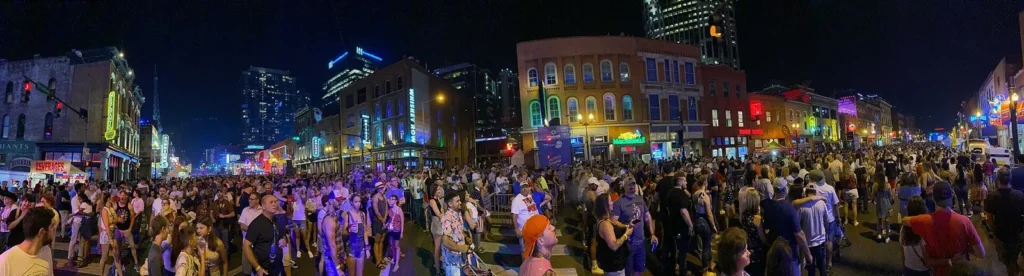
Lower Broadway on a Friday or Saturday night is packed, loud and heavily policed. The risks are those of any crowded nightlife strip: pickpockets, lost phones, scuffles near closing time and drunk drivers on the side streets. Keep your phone and cards in a front pocket or a zipped bag, agree a meeting point before a group splits up, and don’t let anyone peel off alone at 2am. If the crowd turns rowdy, the fix is usually to walk a block or two off Broadway, where the night gets quieter fast.
Cars and parking
Treat a parked car as a display case. Leave nothing visible inside, not a bag, not a charger cable, not a jacket that might have a wallet in it, and use a staffed or well-lit garage when you can. If you’re driving in from out of town, unload luggage at the hotel before you park for the night, and don’t leave anything in the car you couldn’t stand to lose.
Rideshares at closing time
When the bars close, a lot of people order cars at once. Check the plate, the car and the driver’s name in the app before you get in, and ask “who are you here for?” rather than offering your own name. Walking a few blocks away from Broadway usually gets you a car faster and spares you the scrum at the corner. At the airport, rideshare pickup is on Level 1 of Terminal Garage 2.
Solo travelers and solo women
Plenty of people do Nashville solo, and the honky tonks are easy places to be on your own: you take a seat at the bar, the band plays, nobody needs a reason. The precautions are the ones you’d take anywhere with this much alcohol around. Watch your drink being made and don’t leave it unattended; if it tastes off, stop drinking and tell the bartender. Share your location with someone at home on nights out. On a first visit, a hotel with a staffed front desk beats a self-check-in rental, and rideshares beat walking between neighborhoods late at night. Bartenders and door staff deal with unwanted attention every night, so tell them early rather than handling it alone.
For anything urgent, call 911. For a police matter that isn’t an emergency, such as reporting a car break-in after the fact, call the Metro Nashville Police Department’s non-emergency line at 615-862-8600. For other city problems, hubNashville takes reports online or at 311.
Tornadoes, Storms, Floods and Heat
Middle Tennessee’s weather is the safety topic visitors most often underrate. You don’t need to fear it, but you should know what a warning sounds like and what to do when you hear one.
Tornadoes and the sirens
Spring is the main tornado season, but storms here don’t keep to a calendar or a clock. The tornado that tore through North Nashville, Germantown and East Nashville on March 3, 2020 arrived after midnight, and in December 2023 tornadoes struck Madison, in the north of the county, and Clarksville. Metro tests its outdoor warning sirens at noon on the first Saturday of each month. A siren at any other time means a warning is in effect.
- Go to the lowest floor and an interior room, stairwell or hallway away from windows. In a hotel, follow the staff’s directions.
- Don’t try to outrun a tornado in a car, and don’t shelter under an overpass.
- Turn on emergency alerts on your phone, and add a weather app that sends tornado warnings for Nashville.
- Party vehicles must stop during thunderstorm, tornado and flood warnings, so a canceled ride on a stormy afternoon is the law, not bad service.
Flash floods
Heavy rain is the quieter risk. In May 2010, two days of torrential rain flooded parts of downtown and the Opryland area, the Grand Ole Opry House included. Flash flooding still closes low roads and underpasses after big storms. If a road is under water, turn around: it takes surprisingly little moving water to float a car, and rental insurance won’t make that a good afternoon.
Heat and humidity
Summer heat is the weather risk you’re most likely to meet. July averages a high of 90.9°F at the airport, with about 18 days at 90°F or more in a typical July, and the humidity makes it feel worse. Plan walking and outdoor sightseeing for mornings, drink water between drinks, and take the heat seriously on pedal tours and rooftop bars, where shade is scarce. A pedal tavern at 3pm in July is an endurance event, not a party.
Accessibility in Nashville
Nashville’s big attractions have put real effort into access, but the city around them is uneven. Downtown climbs from the river, sidewalks crowd fast on event nights, and many of the honky tonks are narrow, older buildings with stages on several floors. Plan the venues and the transport, and leave slack for the streets in between.
Getting around with a disability
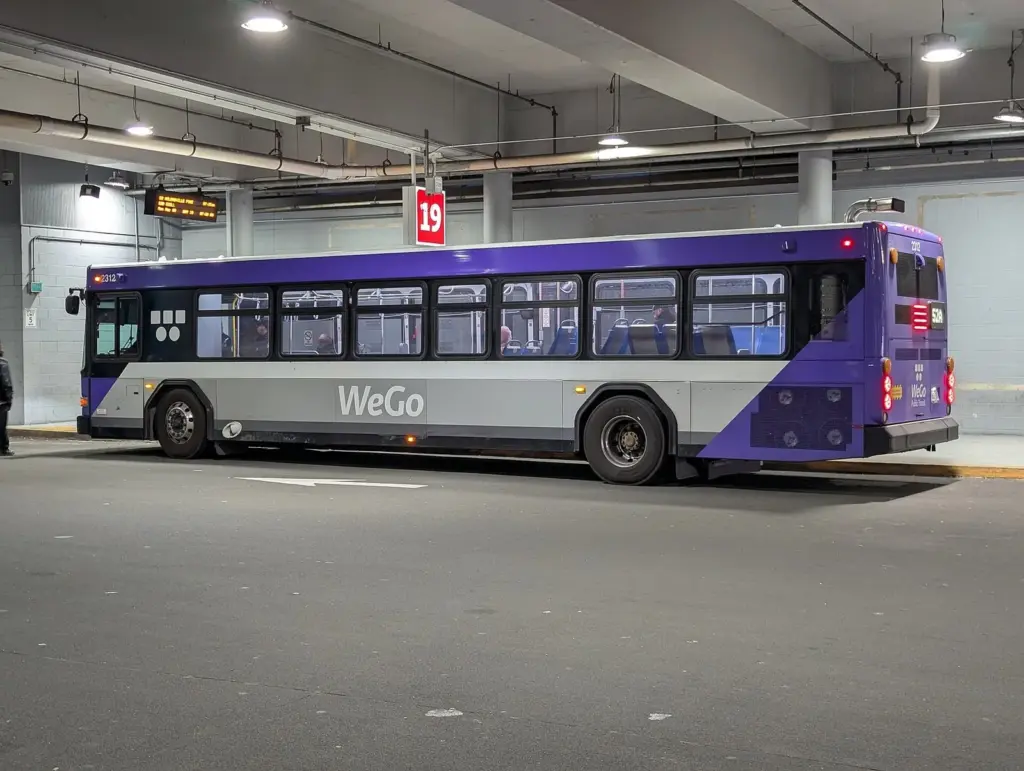
WeGo Access, the city’s paratransit service, takes visitors. You can ride for up to 21 days within a year, counted from your first trip, if you’re eligible for ADA paratransit at home, or if you show proof that you live outside Davidson County plus proof of disability, such as a doctor’s letter or a disabled parking permit. Each trip costs $3.70; call 615-880-3970 to set it up before you travel. At the airport, Uber and Lyft can’t drop off at the ticketing curb except on trips for riders who need accessible service.
At the big venues
- Grand Ole Opry House: free wheelchairs on a first-come basis (bring photo ID), wheelchair lifts to the second level, FM assistive listening devices from the Tour Desk, interpretation with three weeks’ notice, and accessible seats you can choose when you buy through AXS.
- Country Music Hall of Fame and Museum: courtesy manual wheelchairs at Guest Services, an audio tour that works with t-coil hearing aids, and ASL interpreters with two weeks’ notice (request online or call 615-416-2001).
- Ryman Auditorium: ask about accessible seating and tour routes when you book. The historic pews and the balcony make seat choice matter more here than at a modern arena.
Broadway and the honky tonks
Ground floors are generally the most accessible part of any Lower Broadway bar, and daytime is the time to go: the music starts in the morning, the crowds are thinner and you can actually reach the bar. If a rooftop stage is the point of your visit, call ahead and ask how guests get up there. For anyone sensitive to noise and crowds, a noon set beats a midnight one by a mile.
LGBTQ+ Nashville: Bars, Pride and Drag Brunch
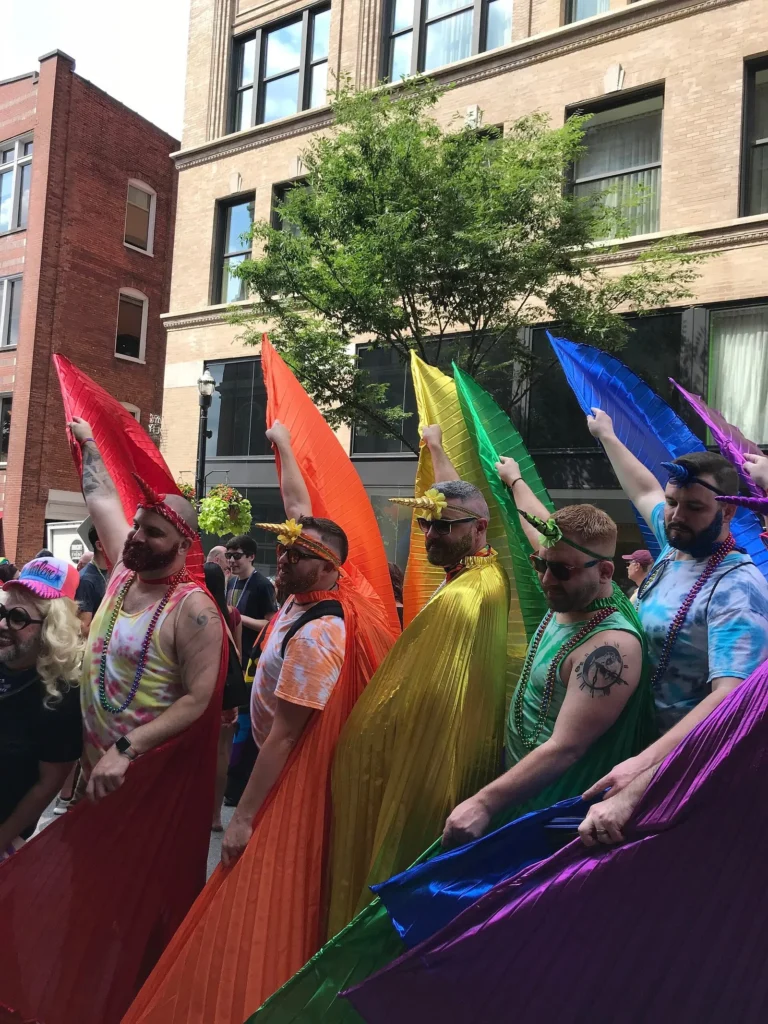
Tennessee’s politics and Nashville’s nightlife don’t always tell the same story. On the ground, LGBTQ+ visitors find a visible community with its own bars, a Pride festival on the Capitol’s doorstep and drag brunches that draw a mixed crowd. The safety advice above applies the same way to everyone.
Church Street and beyond
The center of gay nightlife is a stretch of Church Street in Midtown, a short ride west of downtown. Tribe is a lounge with pool tables, a dance floor and themed nights that the tourism bureau describes as the city’s longest-running LGBTQ bar. Play Dance Bar, close by on the same street, bills itself as Tennessee’s largest LGBTQ nightclub and puts on regular drag shows. Suzy Wong’s House of Yum, also on Church Street, runs a Drag’n Brunch: $34.99 covers the show, shared starters and a main, with drinks, tax and tip extra, and it’s 18 and over. Fall and winter seatings are Friday at noon, Saturday at 10:30am and 1pm and Sunday at 1pm, and groups of eight or more have to call. Trax, a longtime gay bar, reopened in Wedgewood-Houston in 2025 after losing its old home. Hours change with the seasons, so check each bar’s own pages before you go.
Nashville Pride
Nashville Pride’s festival and parade are held downtown in late June. In 2026 the parade stepped off on Broadway at 10am on Saturday, June 27, and the festival opened at 11am at Bicentennial Capitol Mall State Park, below the State Capitol. Check nashvillepride.org for the 2027 dates, and book a room early if your trip lines up with it.
Coming to Nashville for a Convention
Most convention visitors land at one of two very different places, and which one it is decides how your evenings go.
Music City Center, downtown
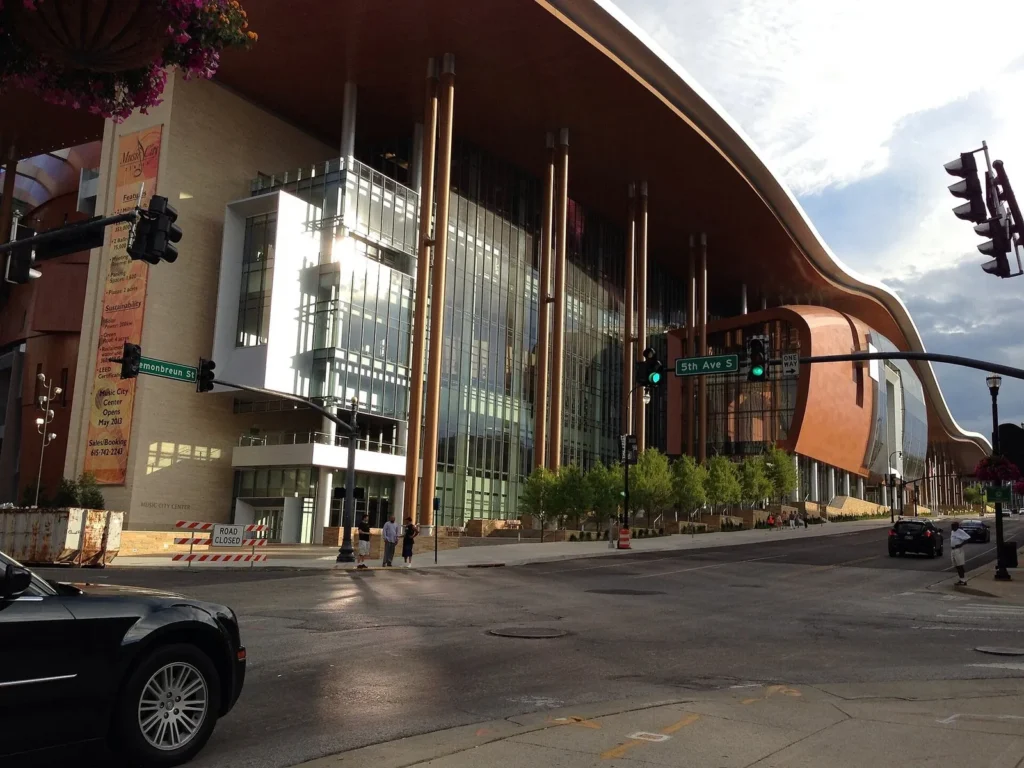
The Music City Center covers 2.1 million square feet, with more than 353,000 square feet of exhibit hall and a covered garage with 1,800 spaces. It sits just south of Broadway, across Rep. John Lewis Way from the Country Music Hall of Fame, so a delegate staying downtown, in SoBro or in the Gulch can walk to sessions in the morning and to the honky tonks at night. That’s the upside. The downside is that you’re competing with weekend leisure travelers for the same rooms, so book as soon as your conference opens its hotel block, and check what your hotel charges for parking before you rent a car you won’t use.
Gaylord Opryland, out by the Opry
Gaylord Opryland, at 2800 Opryland Drive, is a hotel, a convention center and a small indoor city under glass atriums, next to the Grand Ole Opry House and Opry Mills. It works well for a conference where you rarely leave the building, and less well for anyone who wants Broadway every night: downtown is a drive away, so budget for rideshares both ways. Budget, too, for the extras: a $28 resort fee and $37 self-parking a night (valet is $50), each plus tax, on top of the room. The upside is the Opry, a short walk from the lobby on show nights.
Wherever your conference is, Davidson County has 43,108 hotel rooms, according to Visit Music City’s statistics page. If your block sells out, look at the Gulch, Midtown or West End before you settle for the airport area, and use the conference block’s rate as your benchmark when you compare.
Nashville for Older Travelers
Nashville is better for older visitors than its party reputation suggests, as long as you plan around the crowds rather than through them.
- Go by day. The Country Music Hall of Fame is open daily from 9am to 5pm and the Johnny Cash Museum from 9am to 7pm, and the honky tonks have live music from the morning, when Broadway is a pleasant street rather than a crush.
- Ask for senior prices. WeGo buses cost $1 for two hours or $2 for a day for riders 65 and over. The Hall of Fame discounts adult admission for visitors 60 and over with ID, at its box office only, and the Johnny Cash Museum takes $1 off for seniors buying in person.
- Choose your seats. At the Ryman and the Opry, pick an aisle or a lower level when you book if stairs are a concern. The Opry House has wheelchair lifts to its second level and free loaner wheelchairs.
- Mind the heat and the hills. Summer afternoons are hot, downtown slopes up from the river, and a rideshare between the Ryman and the Hall of Fame on a July afternoon is money well spent.
- Stay central and quiet. A hotel a few blocks off Broadway, in SoBro or near the Capitol, keeps you close to the shows without the 2am soundtrack.
If You Get Sick or Hurt in Nashville
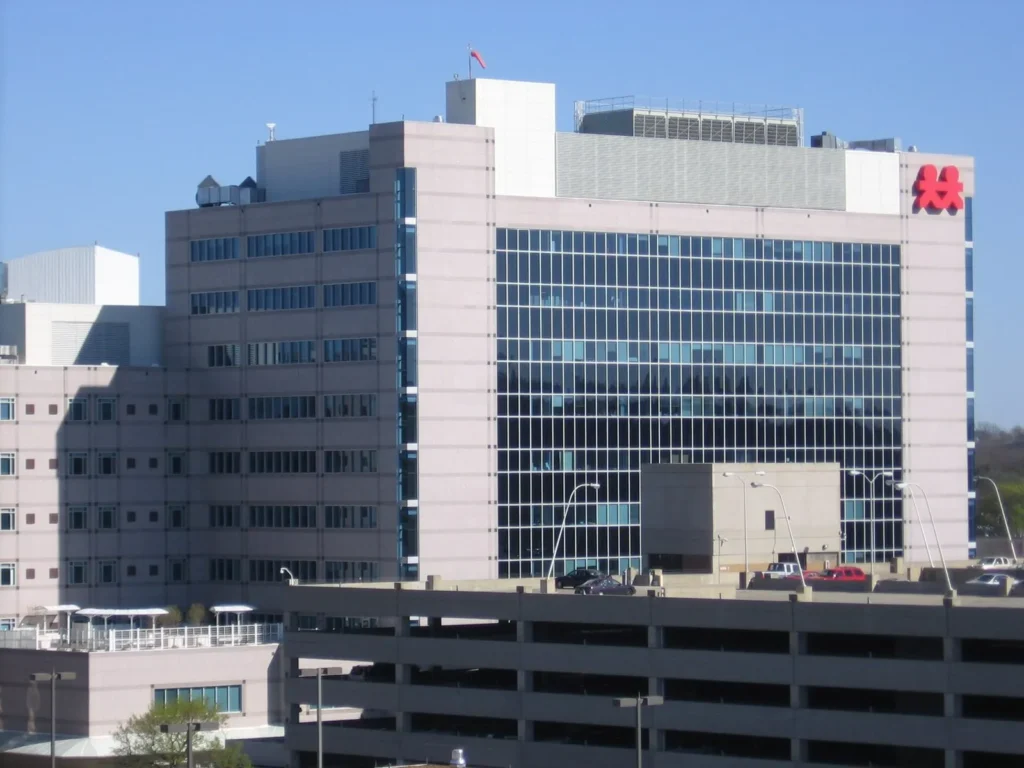
Nashville is a health-care town, and its big hospitals are close to downtown. For a life-threatening emergency, call 911. The emergency departments visitors are most likely to end up at are these:
- Vanderbilt University Medical Center, for adults, on the Vanderbilt campus.
- Monroe Carell Jr. Children’s Hospital at Vanderbilt, for children, on the same campus.
- TriStar Centennial Medical Center, west of downtown.
- Ascension Saint Thomas Hospital Midtown, in Midtown.
For anything less serious, urgent care clinics treat sprains, infections and cuts that need stitches without an emergency-room wait or bill, and many large pharmacies have walk-in clinics. Visitors from abroad should carry travel insurance that covers US treatment, because US medical bills are high and hospitals will ask how you’re paying.
Most visitor health problems here are avoidable. Drink water between drinks, eat before Broadway rather than after, and wear shoes you’ve already walked in. Brand-new cowboy boots on a first night downtown are a blister plan, however good they look.
Arriving From Outside the US
Flights
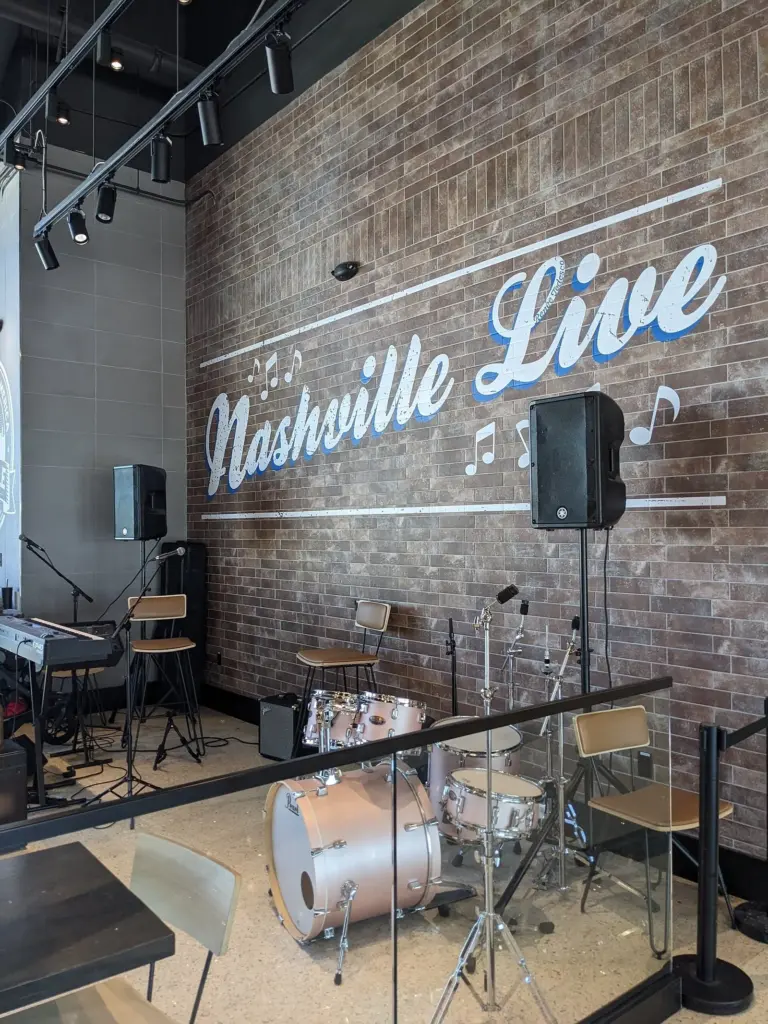
Nashville International Airport (BNA) has a short but growing list of nonstop international routes. British Airways flies to London Heathrow; Aer Lingus to Dublin and Icelandair to Reykjavik fly seasonally; Air Canada flies to Toronto Pearson, and Porter has flown to Toronto’s downtown island airport since May 2026. Air France has announced Paris flights from May 14, 2027, and Aeromexico’s Mexico City service starts on June 13, 2027. Everyone else connects through a US hub such as Atlanta, Charlotte, Chicago or Dallas.
Immigration and customs
You clear US immigration at your first US airport. Fly nonstop from London or Reykjavik and you’ll do it at BNA’s international arrivals building; connect through a hub and you’ll do it there, then re-check your bags for the last leg. Dublin and Toronto Pearson have US preclearance, so on flights from those airports you clear before you board and land in Nashville like a domestic passenger.
Visa Waiver Program travelers need an approved ESTA before they board. Apply only on the official site, esta.cbp.dhs.gov, because lookalike sites charge extra for the same form. Everyone else needs whatever visa their nationality requires, so check travel.state.gov well ahead of your trip.
Money, plugs and phones
Prices are in US dollars and shown before tax, cards (contactless included) are taken almost everywhere, and tipping is expected, as covered above. Carry some small bills for band buckets and valets. US outlets run at 120 volts with flat-pin Type A and B plugs, so bring an adapter and check that your chargers handle the voltage. If your phone plan doesn’t cover the US, compare a US eSIM with your roaming charges before you fly.
Distances and time zones
The US is bigger than it looks on a map, and Tennessee is split between two time zones. Nashville is on Central time. Chattanooga and Knoxville, in East Tennessee, are on Eastern, an hour ahead, which matters if you book a timed tour there on a day trip. Memphis, like Nashville, is on Central.
Before You Go: A Short Checklist
- Book lodging first for spring, fall and any festival week, then work outward to shows and tours.
- Price your hotel with everything added: 16.75% plus $2.50 a night in tax, and any resort, parking or nightly fee the hotel charges itself.
- Pack a physical photo ID for the bars, and small bills for the band buckets.
- Break in your boots at home.
- Switch on your phone’s emergency alerts, and remember that the noon siren on the first Saturday of the month is a test.
- Allow extra time at BNA. Its central-core construction runs through December 2027; curbside pickup and drop-off carry on as normal, but the Level 5 pedestrian bridge is closed, so check flynashville.com for current garage routes.
- Check holiday hours: package stores close on Thanksgiving, Christmas and Easter, and the Johnny Cash Museum closes on Thanksgiving and Christmas.
- Save the numbers: 911 for emergencies, 615-862-8600 for police non-emergencies, 311 for other city problems.
Nashville Travel Guide FAQ
What time is last call in Nashville?
Bars in Nashville can serve until 3am every night, the cutoff Tennessee law sets for licensed premises. Service can start again at 8am Monday through Saturday, and at 10am on Sunday, or noon in counties that choose the later start. Liquor stores keep shorter hours: 8am to 11pm Monday through Saturday and 10am to 11pm on Sunday.
Can you walk around Broadway with a drink?
Not with a bottle or a can: Metro Nashville’s code bans open glass, aluminum and other metal containers of alcohol in public. The Metro Council Office has said plastic and paper cups aren’t covered, and a 2026 state law lets the city approve temporary special-event zones with labeled cups. Outside those zones, finish your drink before you leave the bar.
How much should you tip the band on Broadway?
Tips are a large part of what Broadway musicians earn, so budget for them. A few dollars in the bucket for each set you stay for is fair, and $5 to $20 with a song request is a sensible rule of thumb. A 2023 Nashville Scene investigation found base pay of $200 to $400 per band for a shift on the Tootsie’s circuit, split among the players.
Is downtown Nashville safe at night?
Lower Broadway and the blocks around it are crowded and heavily policed on weekend nights, and most visitors’ problems there are the ordinary nightlife ones: lost phones, pickpockets, scuffles at closing time and drunk drivers. Keep valuables zipped away, stay with your group, check your rideshare’s plate before you get in, and leave nothing visible in a parked car.
How much is the hotel tax in Nashville?
Hotel rooms in Nashville and Davidson County pay 16.75% in percentage taxes, the 9.75% sales tax plus Metro’s 7% occupancy tax, and a flat $2.50 per room per night. On a $200 room that adds $36 a night. Some hotels charge their own nightly fees on top, such as Gaylord Opryland’s $28 resort fee plus tax.
When is tornado season in Nashville?
Spring is Middle Tennessee’s main tornado season, but tornadoes can strike at other times of year and at night: the March 3, 2020 tornado hit North Nashville, Germantown and East Nashville after midnight. Metro tests its outdoor sirens at noon on the first Saturday of each month. A siren at any other time means a warning, so get to an interior room on the lowest floor.
Related Nashville Guides
- Where to Stay in Nashville: Best Areas & Hotels: the neighborhoods and hotels that keep your walking and rideshare bills short
- Getting Around Nashville: Every Mode, Costed and Timed: buses, rideshares, parking and the airport run in detail
- Nashville Itineraries: Ready-Made Plans for 1-5 Days: turn the planning above into a day-by-day schedule
- Best Time to Visit Nashville: Month-by-Month Guide: weather, crowds and hotel prices through the year
- Nashville Honky Tonks and Bars: A Ranked Nightlife Guide: where to spend the tips you budgeted
- How much a Nashville bachelorette party costs: a per-person budget for groups, with taxes and tips included
Sources and verification
Details in this guide were checked on November 19, 2026 against the operators and public agencies listed below, and the guide doesn’t claim first-hand visits.
- Tennessee Department of Revenue: local sales tax rates
- Tennessee Alcoholic Beverage Commission: retail package stores
- Tennessee Alcoholic Beverage Commission: hours of sale
- Tennessee Alcoholic Beverage Commission: frequently asked questions, including hemp products
- US Department of Labor: minimum wages for tipped employees
- Metro Nashville Police Department
- Metro Nashville Office of Emergency Management: outdoor warning sirens
- WeGo Public Transit: airport service
- WeGo Access: visitor policy
- Grand Ole Opry: accessibility
- Country Music Hall of Fame and Museum: accessibility
- Music City Center: about the building
- Nashville Pride
- Nashville International Airport: nonstop destinations
- Visit Music City: tourism research and hotel statistics
Photo credits
- Lower Broadway crowd on the Fourth of July: photo by Gatorfan252525, Wikimedia Commons (CC BY-SA 4.0)
- WeGo bus at the Elizabeth Duff Transit Center: photo by Mliu92, Wikimedia Commons (CC BY-SA 4.0)
- Nashville Pride, 2018: photo by Blue Suede Sisters from Memphis, Tennessee, Wikimedia Commons (CC BY 2.0)
- Music City Center: photo by User:Pjgdds, Wikimedia Commons (CC BY-SA 3.0)
- Monroe Carell Jr. Children's Hospital at Vanderbilt: photo by SenatorDF, Wikimedia Commons (CC BY-SA 3.0)
- Nashville Live stage at BNA: photo by Artaxerxes, Wikimedia Commons (CC BY 4.0)
- Downtown skyline and the pedestrian bridge (featured image): photo by King of Hearts, Wikimedia Commons (CC BY-SA 4.0)
Photos are from Wikimedia Commons and have been resized for the web. The chart is our own, drawn from the figures in this guide.